Best Hawaii Act 104 Compliant SPF 8 Sunscreen: Low-SPF Options for Ocean Swimming
SPF 8 sunscreen is a specific product that exists for a specific purpose: tanning. It is not a sun protection product in the conventional sense — SPF 8 filters approximately 87.5% of UVB radiation, compared to 97.8% for SPF 45 and 98% for SPF 50. For people seeking the classic tanning experience — the deep, gradual tan that characterized beach culture before maximum-SPF formulas became the standard — SPF 8 (or the broader low-SPF tanning oil category) is the product they're looking for. This guide covers the low-SPF tanning product landscape honestly, including the Hawaii Act 104 compliance context that matters for ocean swimming near coral reefs.
| SPF Level | UVB Filtered | UV Context |
|---|---|---|
| SPF 8 | 87.5% | Tanning product — significant UV reaches skin |
| SPF 30 | 96.7% | Recommended minimum for beach use |
| SPF 45 | 97.8% | Strong beach and high-UV protection |
| SPF 50 | 98% | Maximum available |
Who Low-SPF Products Are Appropriate For
Low-SPF tanning products are appropriate for a specific, informed adult user profile:
- People with moderate-to-dark skin tones who have established UV tolerance and are seeking a deeper, more classic tan than high-SPF sunscreen permits.
- Experienced sun-users who understand their skin's UV response, limit exposure time, and use adequate SPF on face and sensitive areas regardless of body product SPF.
- Adults who make an informed trade between tan depth and UV exposure level.
Low-SPF products are not appropriate for people who burn easily, fair-skinned individuals, children, or people with UV-sensitizing medications.
Apply SPF 50 to the face, ears, lips (Panama Jack SPF 45 lip balm), and the nape of the neck regardless of what low-SPF product is used on the body. These areas accumulate UV damage fastest. Protecting them with maximum SPF while using a lower SPF on the body is the responsible balance that preserves the tanning experience while protecting the highest-vulnerability areas.
Hawaii Act 104 Compliance: Why It Matters for Tanning Products
Hawaii Act 104 bans oxybenzone and octinoxate from sunscreens sold in Hawaii due to their documented effects on coral reef ecosystems. This matters for tanning products because they are applied during the highest-ocean-contact activities: swimming, snorkeling, and water sports — exactly when UV filter chemicals most directly contact reef ecosystems.
A Hawaii Act 104 compliant tanning product is free from oxybenzone (benzophenone-3) and octinoxate (ethylhexyl methoxycinnamate). To verify: check the Active Ingredients section of the product label — not the marketing language, not the product description. The active ingredients list is the authoritative source.
🥇 Best Low-SPF Hawaii Act 104 Compliant Option: Panama Jack Tanning Range

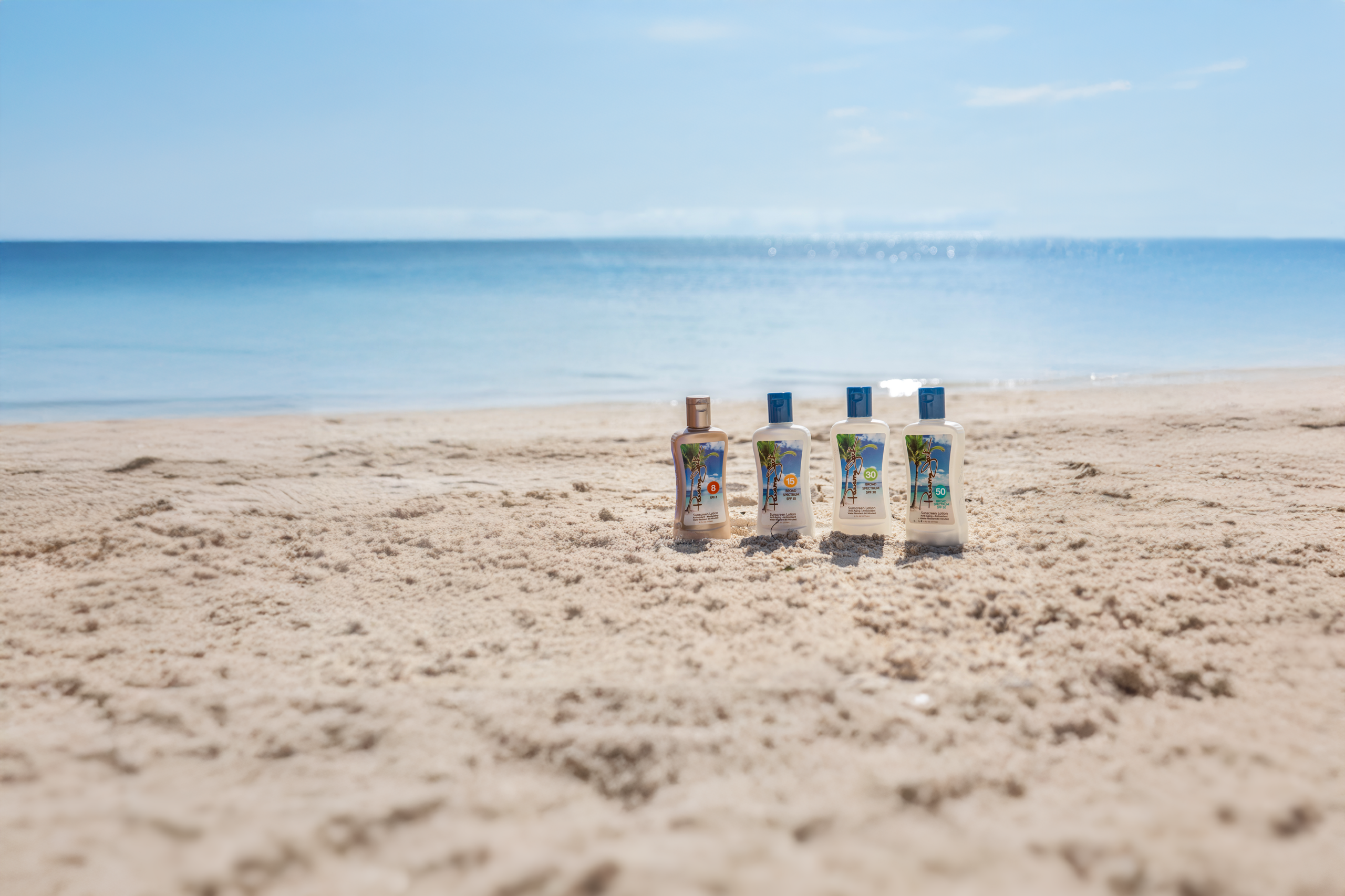
Panama Jack's tanning product range — the original heritage of the brand — includes low-SPF tanning oils and sunscreens at multiple SPF levels. The brand's original product was a coconut oil tanning formula, and the low-SPF tanning range maintains that heritage while offering Hawaii Act 104 compliant formulations that eliminate oxybenzone and octinoxate.
Important: check the specific Amazon product listing's Active Ingredients section to confirm Hawaii Act 104 compliance on the specific SKU you're purchasing — compliance varies by product formulation, and the active ingredients list is the authoritative source.
Frequently Asked Questions
Is SPF 8 sunscreen safe?
SPF 8 is an FDA-regulated sunscreen product that is safe as a formula. Whether it is safe for a specific use case depends on the user's skin type, UV index, duration of exposure, and whether high-SPF protection is applied to face, ears, and neck. SPF 8 is not appropriate for everyone — particularly not for fair-skinned individuals, children, or people on UV-sensitizing medications.
What is the difference between tanning oil and SPF 8 sunscreen?
Tanning oil typically has no UV filtering ingredients — it's a carrier oil that enhances tanning with no protective function. SPF 8 sunscreen contains UV-filtering actives that provide minimal protection (87.5% UVB filtering) while allowing the UV penetration that produces a tan. SPF 8 is significantly safer than no SPF while providing far less protection than SPF 30+.
Are Hawaii Act 104 compliant tanning products as effective for tanning?
Yes — Hawaii Act 104 compliance only specifies the absence of oxybenzone and octinoxate. It does not affect the tanning effect or overall formula performance. Compliant tanning products provide the same experience as non-compliant alternatives while being significantly safer for coral reef ecosystems encountered during ocean swimming.

news via inbox
Regular updates right into your inbox every week!