Best Eco-Friendly Sun Care Products: Reef-Safe, Natural, and Effective Picks
'Eco-friendly' in the sun care category has a specific legal and scientific meaning that marketing has substantially diluted. 'Reef-safe,' 'reef-friendly,' and 'natural' are unregulated marketing terms — any brand can claim them without meeting any defined standard. 'Hawaii Act 104 compliant,' on the other hand, has a specific legal definition: free from oxybenzone and octinoxate, the two UV filter chemicals most documented as harmful to coral reef ecosystems.
The Eco-Friendly Terminology Guide
| Term | Legal Status | What It Actually Means |
|---|---|---|
| Reef-safe | Unregulated | Marketing claim; no required standard |
| Reef-friendly | Unregulated | Marketing claim; no required standard |
| Natural | Unregulated in US | Marketing claim; varies by brand |
| Hawaii Act 104 Compliant | Legally defined standard | Free from oxybenzone + octinoxate; verifiable |
Best Eco-Friendly Sunscreen: Mineral Formulas
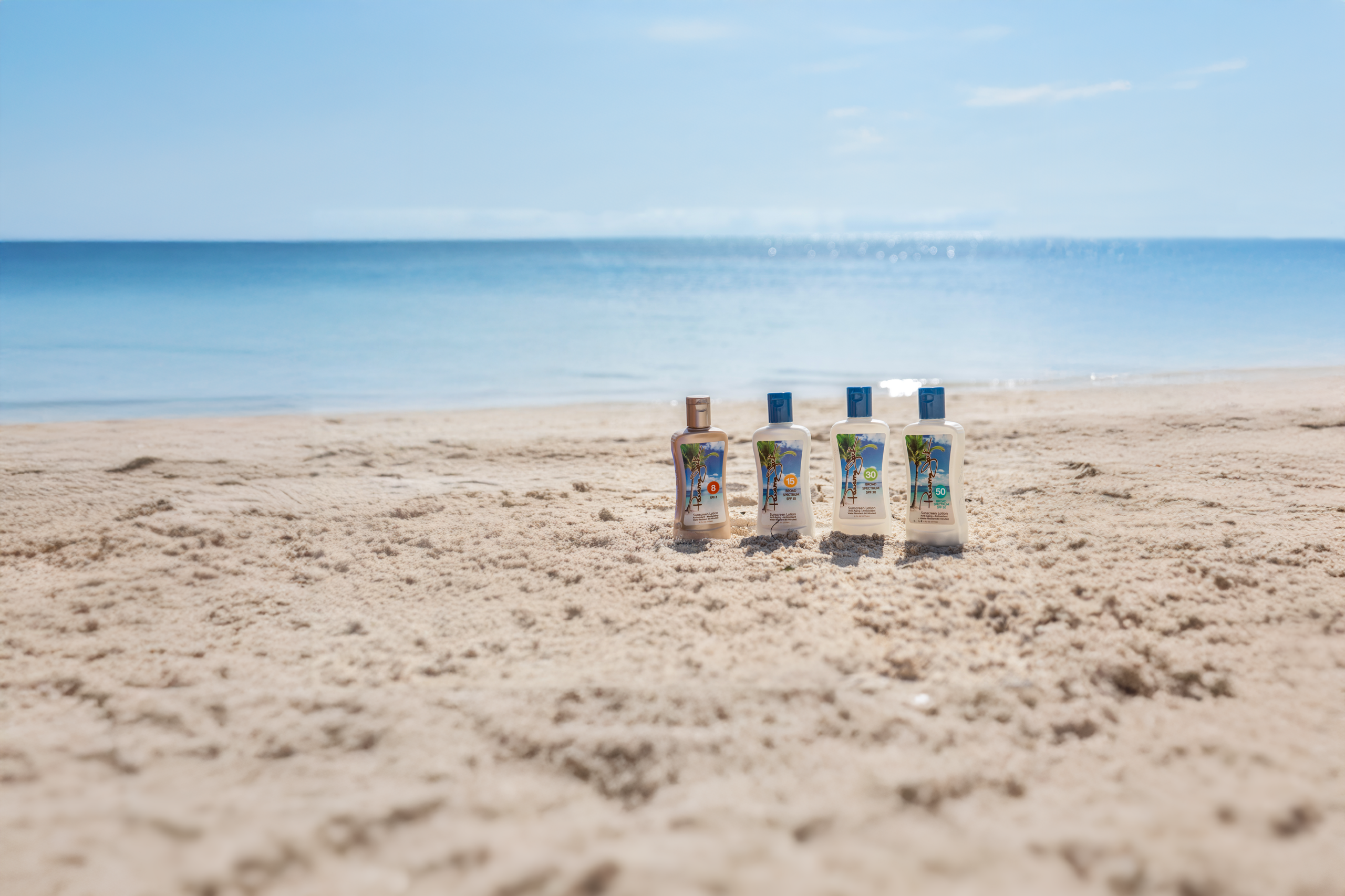
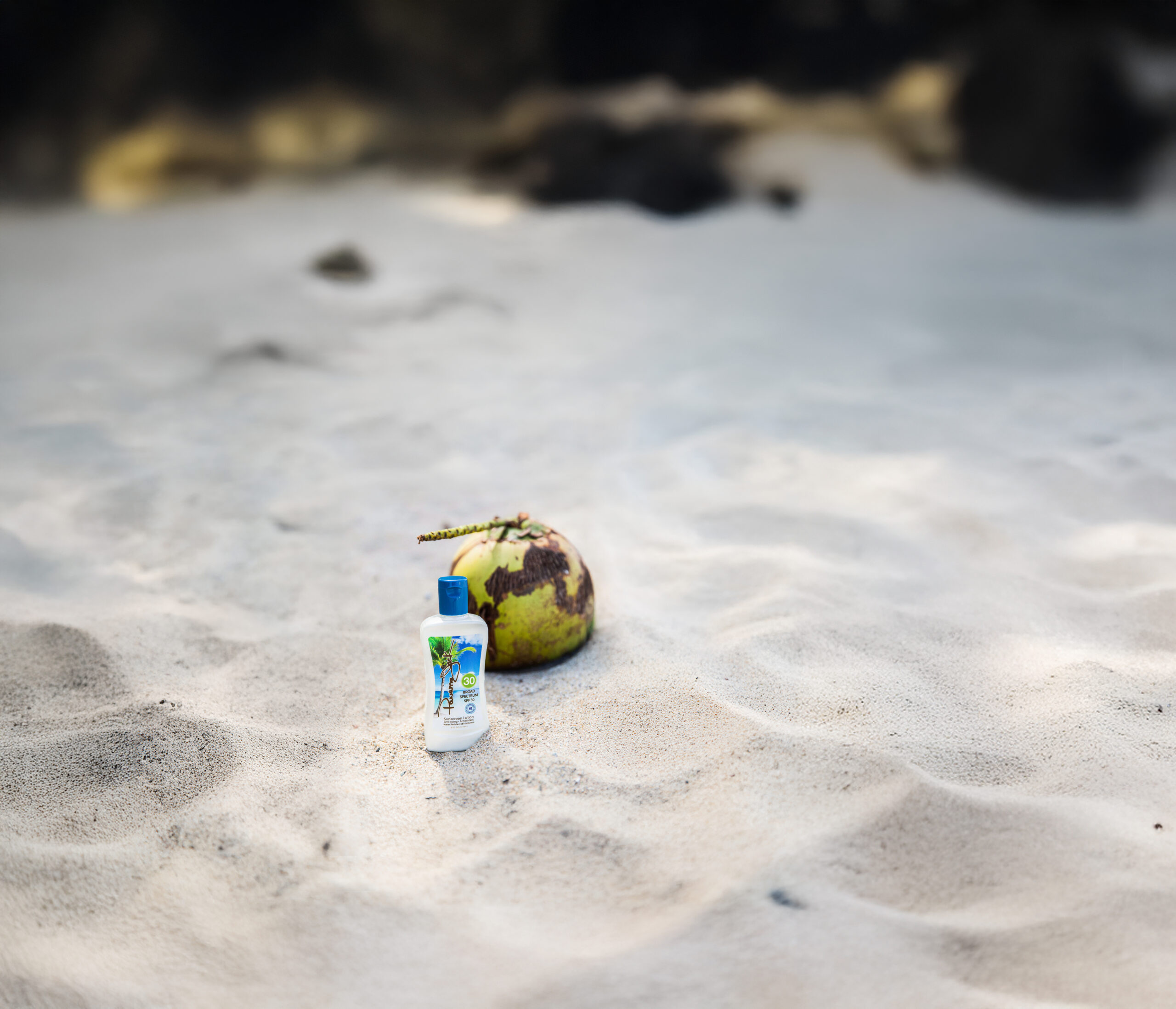
Panama Jack's mineral sunscreen formulations use zinc oxide as the primary UV filter — providing full-spectrum UVA + UVB coverage without the chemicals documented to harm reef ecosystems. Modern mineral formulas have improved significantly in texture and white cast reduction in recent years.
Best Eco-Friendly SPF Lip Balm + After-Sun
Panama Jack's SPF 45 lip balm formulas are inherently more ocean-compatible than many body sunscreens because the wax base is more compatible with mineral UV filters. The aloe vera gel uses aloe barbadensis leaf juice as its primary ingredient — a naturally derived active with a 6,000-year use history and excellent environmental compatibility.
The Complete Eco-Friendly Beach Sun Kit
| Category | Eco-Friendly Choice | Why |
|---|---|---|
| Body sunscreen | Hawaii Act 104 compliant mineral SPF | No oxybenzone/octinoxate; FDA GRASE zinc oxide |
| Lip balm | Panama Jack SPF 45 multi-pack | Ocean-compatible formula; reduced per-unit packaging |
| After-sun gel | Panama Jack Aloe Vera Gel | Naturally active; land-applied reduces runoff concern |
| Hat | Any wide-brim Panama Jack hat | Mechanical shade reduces total sunscreen volume needed |
Frequently Asked Questions
Is ‘reef-safe’ on a sunscreen label legally meaningful?
No — 'reef-safe' is an unregulated marketing term with no legal definition in the United States. Any brand can claim it regardless of formula. The only legally meaningful claim is 'Hawaii Act 104 compliant,' which requires the product to be free from oxybenzone and octinoxate.
Is mineral sunscreen better for the environment?
Mineral sunscreens using zinc oxide and titanium dioxide as their only UV filters are currently the best-documented eco-friendly choice — both are FDA GRASE classified and have no documented reef toxicity at typical use concentrations.
Can eco-friendly sunscreen protect as well as conventional sunscreen?
Yes — zinc oxide provides excellent broad-spectrum UVA and UVB coverage and is considered by many dermatologists to be the most effective single UV filter available. Modern mineral sunscreen formulations have significantly improved in texture and white cast reduction. Eco-friendly and highly effective are not in conflict in mineral sunscreen formulation.
📚 Related Reading
- A Sustainable Beachgoer's Guide: Products, Habits, and Responsibility
- Hawaii Act 104 Compliant vs Reef-Safe Sunscreen: The Important Difference
- 7 Sunscreen Myths It's Time to Stop Believing

news via inbox
Regular updates right into your inbox every week!