The After-Sun Lotion Ritual: A Beauty Routine We All Grew Up With
You know the moment. The sun is just touching the horizon. You’re back at the house, the rental cottage, the hotel room, or your parents’ place. Your skin is tight and warm and still faintly smells of salt and coconut tanning oil. And someone — a mom, a grandmother, a friend who always had everything organized — produces the bottle.
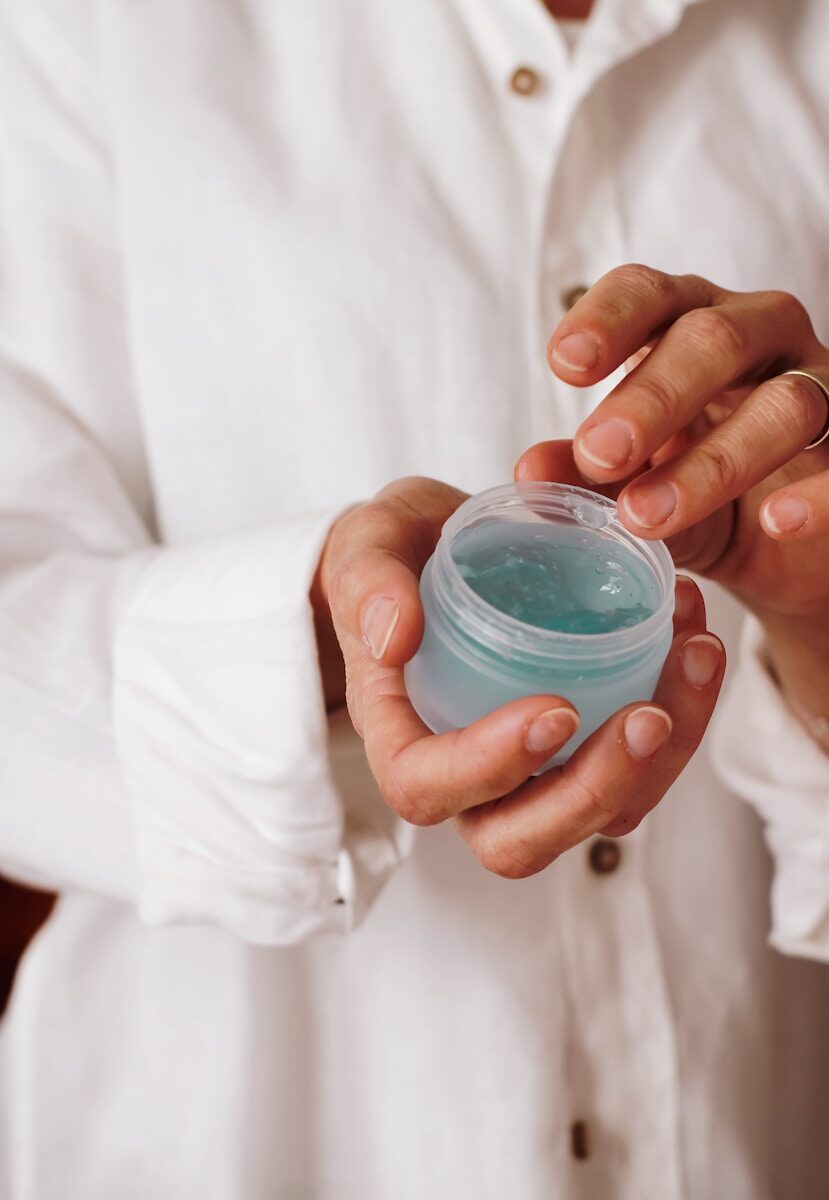
The after-sun lotion. The cooling, aloe-forward, vaguely clinical-yet-somehow-luxurious lotion that you pressed into sun-exposed skin in long slow strokes until the tight feeling started to ease and the warmth of the day finally, quietly, relented.
This ritual is older than sunscreen SPF ratings, older than dermatologist recommendations, older than the wellness industry. It is one of the oldest beach traditions in American summer culture — and it turns out, it was also genuinely good for your skin.
How the Ritual Started
After-sun products emerged alongside the boom in recreational beach culture in the 1950s and 1960s, when millions of post-war Americans discovered the beach as a leisure destination. Sunburn was an expected part of the first-weekend-of-summer experience, and the after-sun lotion was the ritual response.
It was also, it must be said, somewhat theatrical. The lotion’s cooling sensation is partly a result of the evaporation of its water content on warm skin — physics as much as chemistry. But the act of someone applying it to another person’s shoulders, the careful attention to every burned area, the slow return of comfort — all of this created an intimate ritual that became embedded in the summer experience.
Panama Jack and the After-Sun Tradition
Panama Jack’s after-sun lotion was part of the brand’s core lineup from the beginning — a logical companion to tanning oils and sunscreens. The brand understood that sun care was not just about what happened before and during sun exposure, but about what came after.
The aloe-based formula, the gentle fragrance, the light texture that absorbed without feeling heavy on already-warm skin — these were deliberate choices made for real beachgoers who’d spent real days in real sun. The bottle appeared in beach bags, medicine cabinets, and hotel bathrooms across America through the 1970s, 80s, and 90s.
See Panama Jack After-Sun Lotion on Amazon →
The Science of Why It Worked
Nostalgia aside, after-sun lotion is genuinely effective — and the effectiveness of the classic formulas is well-supported by what we now understand about post-UV skin physiology. Aloe vera provides rapid anti-inflammatory relief, panthenol supports cellular repair, and humectants restore moisture to a barrier that’s been taxed by eight hours of sun, salt, and wind.
The ritual wasn’t just comforting — it was genuinely healing the skin that had worked hard all day.
Why It Deserves Revival
The after-sun lotion ritual has largely been replaced in modern beach culture by heavier skincare routines with multiple steps, active ingredients, and brand-specific systems. This is not entirely a bad thing — modern skincare is genuinely better in many ways.
But there is something in the simplicity of the original ritual — cool skin, warm air, aloe vera, and someone who knows which shoulder got the most sun — that no seven-step routine has fully replaced. The after-sun lotion is not just skincare. It’s the end of the beach day. It’s the transition from the day to the evening, from the public beach to the private home, from the heat to the cool.
It deserves its place in the ritual as much today as it ever did.
Frequently Asked Questions
Q: What does after-sun lotion do that regular moisturizer doesn’t?
A: After-sun lotions are specifically formulated to address UV-stressed skin — they combine anti-inflammatory ingredients (aloe vera, allantoin), barrier repair agents (panthenol, ceramides), and antioxidants (vitamin E) in a single formula. Regular moisturizer is primarily hydrating; after-sun formulas are restorative.
Q: When is the best time to apply after-sun lotion?
A: As soon as possible after sun exposure — ideally within 30 minutes of coming indoors. Apply to slightly damp skin for maximum absorption. Reapply before bed for extended overnight recovery.
Q: Is Panama Jack’s after-sun lotion the same formula as the original?
A: Panama Jack’s after-sun lotion maintains the brand’s commitment to aloe-based soothing formulas. The core aloe vera base and gentle fragrance remain consistent with the product’s heritage. Find the current formula and reviews on Amazon.
Conclusion
The after-sun ritual is one of the most genuinely nostalgic parts of the beach day — and one of the most effective post-sun skincare habits you can have. Panama Jack’s after-sun lotion is available on Amazon, ready to restore your skin and carry on the tradition. This evening, make the ritual part of the day again.

news via inbox
Regular updates right into your inbox every week!