
Year-Round Sun Protection: The Complete Product Guide for Every Season
Most people treat sunscreen like a seasonal accessory — something that comes out of the cabinet around Memorial Day and goes back in after Labor Day. This is one of the most consistent mistakes in sun care, and dermatologists have been trying to correct it for decades.
UV radiation doesn't take winter off. UVA rays — the ones responsible for photoaging, hyperpigmentation, and a significant portion of skin cancer risk — are present year-round with near-constant intensity regardless of season. They penetrate clouds, glass, and light fabric. They reflect off snow at amplified intensity. Your face is receiving UV every day of the year, whether you're on a July beach or a February commute.
This guide builds a complete, season-by-season sun protection product plan — with the specific products at each price point that deliver real results through every month of the year.
- Summer: Maximum Protection
- Fall: Transition Season SPF
- Winter: Cold-Weather UV & Lip Care
- Spring: Ramping Back Up
- The Always-On Products
- FAQ
Summer Sun Protection (June–August)
Summer is peak UV season. Longer days, higher sun angle, more time outdoors, and more skin exposed all combine to make this the highest-risk period of the year. Maximum protection products are warranted.
Sunscreen: Go SPF 50
For beach and outdoor days, SPF 50 is the right choice in summer. The additional protection over SPF 30 is meaningful for prolonged exposure — SPF 30 filters approximately 97% of UVB rays, while SPF 50 filters approximately 98%, but the gap matters when you're out for 6+ hours. Reapply every two hours without exception.
Shop Panama Jack SPF 50 on Amazon →
Lip Balm: SPF 45 is Your Summer Minimum
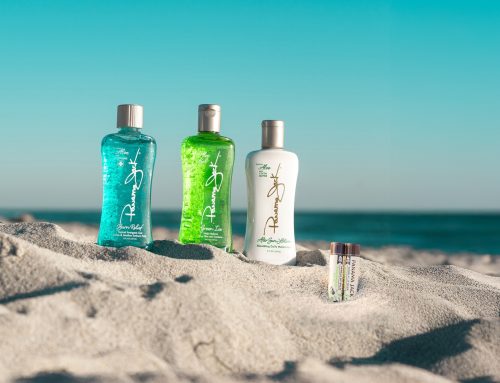
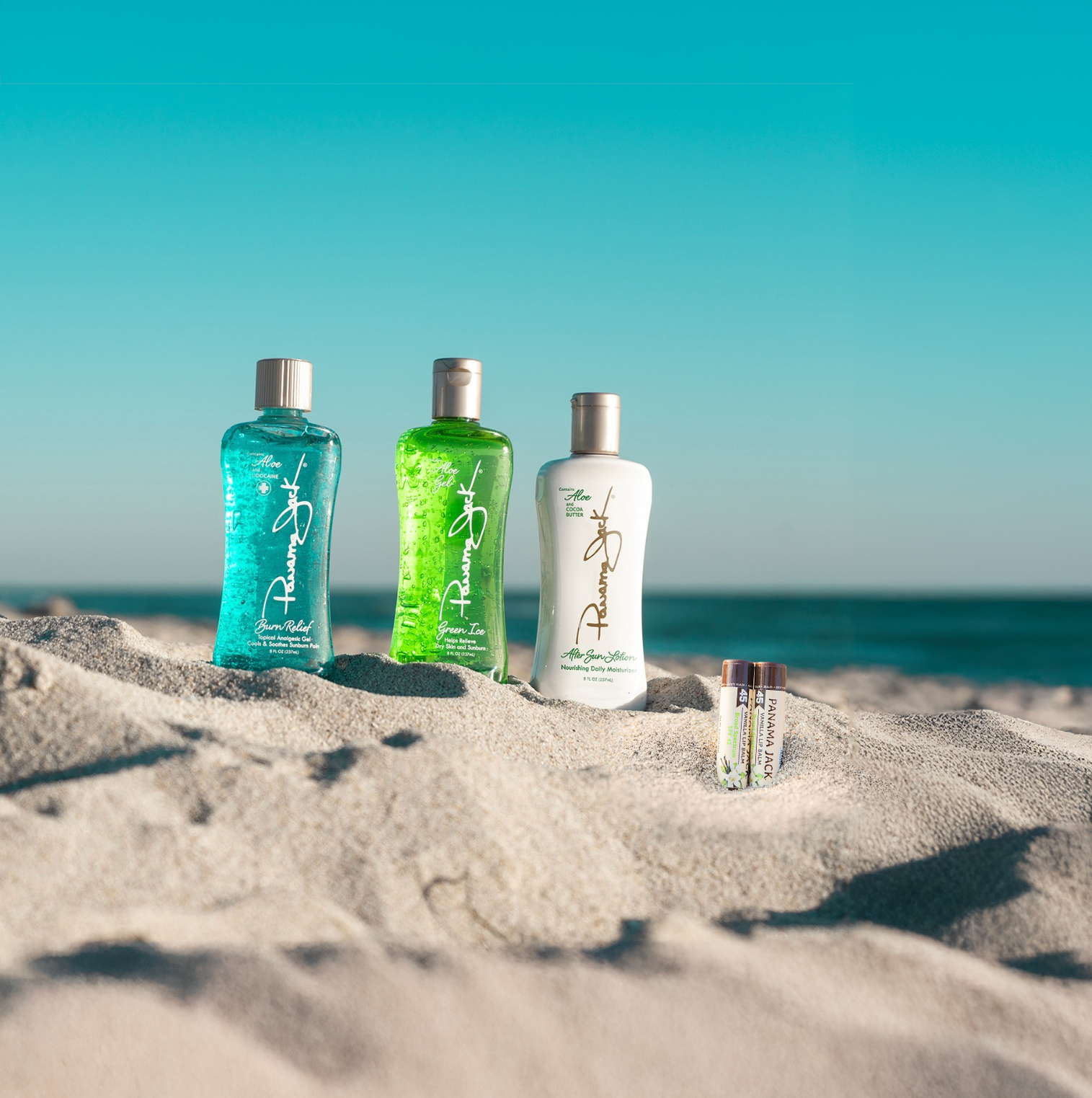
Lip skin has no melanin. It has the thinnest epidermis of any area on the face. Without SPF protection, lips can begin showing UV damage after just 10 minutes of intense summer sun. Panama Jack SPF 45 lip balm is the summer lip care standard — available in flavored options (Dreamsicle, Tropical, Mango, Vanilla) and a flavorless formula for those who prefer it.
Shop Panama Jack SPF Lip Balm on Amazon →
Hat: Wide-Brim Straw for Summer
A wide-brim straw hat (4+ inch brim) provides the most effective face and neck shade for summer beach and outdoor use. Panama Jack's straw hat collection — from classic Panama styles to lifeguard hats to safari designs — covers every summer scenario.
After-Sun: Non-Negotiable in Summer
Apply after-sun lotion every evening after sun exposure in summer. Panama Jack's aloe vera gel and after-sun lotion are both available on Amazon. The nightly ritual protects your long-term skin health far more than most people appreciate.
Fall Sun Protection (September–November)
Fall is the most underestimated season for UV. The UV index drops from summer peaks, but remains in the moderate range (3–6) through October in most of the US. People put away their sunscreen in September thinking their skin is safe — and accumulate significant UV damage during outdoor activities (hiking, apple picking, outdoor sports, harvest festivals) where they'd have been religious about SPF in summer.
Sunscreen: SPF 30 Daily, SPF 50 for Outdoor Activity
An SPF 30 moisturizer or sunscreen applied each morning is sufficient for incidental fall exposure. For hiking, beach trips, or prolonged outdoor activity, maintain SPF 50 until the UV index consistently stays below 3 — which in the South and West US, doesn't happen until November or later.
Lip Balm: Transition to a Moisturizing SPF Formula
Fall brings drier air and wind that compounds with UV to damage lip skin. Panama Jack's SPF 45 flavorless formula or vanilla lip balm provides both sun protection and the richer moisture needed for the transition season.
Hat: Transition to Packable or Structured Styles
Summer straw hats are less practical in fall conditions. Panama Jack's safari hat or bucket hat in a more structured material works for fall hikes and outdoor days — practical coverage that doesn't feel beach-specific.
Winter Sun Protection (December–February)
Winter UV is real. UVA intensity is only approximately 15% lower in December than June at mid-latitudes — and snow reflects up to 80% of UV radiation, effectively doubling your exposure on a clear ski day. Dermatologists report that many ski-related sunburns exceed summer beach burns in severity.
Sunscreen: Daily SPF 30 Without Exception
An SPF 30 moisturizer in your morning routine — even in January — provides the protection your face needs against the steady UVA that accumulates through windows, during walks, and during any winter outdoor activity.
Lip Balm: Winter Is When SPF Lip Care Matters Most
Cold temperatures cause lips to dry and crack, compromising the already-thin skin barrier. Cracked lip skin is more susceptible to UV damage and far more uncomfortable. An SPF 45 lip balm applied liberally and frequently throughout winter days is the single most impactful winter sun care habit.
Shop Panama Jack Lip Balm — Multi-Pack on Amazon →

Spring Sun Protection (March–May)
Spring is the season when sun care habits need to reactivate — but typically don't, because the warmth has only just returned and summer still feels distant. Meanwhile, UV index rises sharply in March and April as the sun angle increases. Spring skiing, early beach trips, outdoor sports starting, and gardening all expose skin to escalating UV without the sunscreen reflex that summer automatically triggers.
Build Back to Summer Protocols in April
By mid-April in most of the continental US, UV index during midday is equivalent to early June levels. Return to SPF 50 for outdoor activities, reintroduce a wide-brim hat into your wardrobe, and replenish your sunscreen stock before you need it for the first warm weekend.
The Always-On Product Essentials
1. SPF 45 Lip Balm (Panama Jack) — Year-round, every bag and pocket. 2. Daily SPF 30 moisturizer or sunscreen — every morning, every month. 3. Wide-brim hat — beach and outdoor activities, March through October. 4. After-sun aloe gel — any day with significant outdoor exposure.
Frequently Asked Questions
Q: Do you really need sunscreen in winter?
A: Yes — UVA radiation, which is responsible for photoaging and contributes to skin cancer risk, is present year-round at intensities approximately 15–20% lower than summer peak. For daily face protection, SPF 30 in a moisturizer is the recommended minimum in all seasons.
Q: Can you get sunburned on a cloudy day?
A: Yes. Clouds filter some UV radiation — approximately 20–40% on overcast days — but the majority still reaches the ground. On lightly overcast days, as little as 10% is filtered. Sunscreen is still necessary in cloudy conditions for prolonged outdoor exposure.
Q: Is winter skiing or snowboarding worse for sun exposure than summer beach?
A: Pound for pound, a clear ski day at high altitude can produce more intense UV exposure than a summer beach day. Snow reflects up to 80% of UV radiation back at you from below, altitude reduces the atmosphere's UV-filtering effect, and clear winter skies have minimal cloud filtering. SPF 50 on exposed skin is essential for skiing.
Q: What's the best year-round lip balm?
A: Panama Jack SPF 45 Lip Balm in any formula is an excellent year-round choice — providing both UV protection and hydration in a convenient, pocket-friendly format. The flavorless formula is particularly versatile for daily use across all seasons.
Q: How should I adjust my sunscreen routine for winter?
A: Switch your main SPF application from a standalone sunscreen to an SPF 30 moisturizer, which does double duty of protection and hydration in a single step. Maintain SPF lip balm daily. Escalate back to SPF 50 for any winter outdoor activities, skiing, or cloudy-but-active days.
Conclusion
Sun protection is a year-round commitment — and the products that make it easy are exactly the ones you should keep stocked all year. Panama Jack's complete lineup covers every season: SPF 50 sunscreen and tanning oil for summer, SPF 45 lip balm for year-round lip protection, and aloe vera gel for after-sun care any time it's needed. Shop the full Panama Jack range on Amazon and build a sun protection routine that actually runs 365 days a year.