Aerosol Sunscreen Safety: What You Should Know Before Spraying
Aerosol Sunscreen Safety: What You Should Know Before Spraying
You've seen it at every beach, pool, and soccer sideline — that quick satisfying hiss of aerosol sunscreen coating someone's shoulders in what looks like a perfectly even mist. Fast, easy, no mess. What's not to love?
Quite a bit, actually — if you're doing it wrong. And research suggests most people are.
Aerosol sunscreen is one of the most widely purchased sun protection formats in America, but it's also one of the most consistently misused. From uneven coverage to inhaled particles to fire hazards near open flames, there's more to spray sunscreen safety than meets the eye. This guide covers everything you need to know so you get the protection the label promises — and none of the risks it doesn't mention.
| Table of Contents
1. How Aerosol Sunscreen Works | 2. The Big Risks Nobody Talks About | 3. How to Apply It Correctly | 4. Aerosol vs Lotion: Which Actually Wins? | 5. When Aerosol Sunscreen Makes Sense | 6. Panama Jack Spray Options | 7. FAQ |
How Aerosol Sunscreen Actually Works
Aerosol sunscreens use a pressurized propellant — typically butane, propane, or isobutane — to disperse UV-filtering ingredients into a fine mist. The active ingredients themselves (zinc oxide, avobenzone, homosalate, etc.) are the same ones found in lotion formulas. The delivery mechanism is what changes.
The challenge is that spraying creates an inconsistent application. Unlike a lotion you physically rub in, aerosol coverage depends heavily on wind conditions, distance from skin, how long you hold the nozzle in place, and whether you rub it in afterward. Studies have found that most people apply significantly less aerosol sunscreen than the amount needed to achieve the stated SPF — meaning that SPF 50 on the label may actually behave like SPF 15 or lower in practice.
The Risks Nobody Warns You About
1. Inhalation Hazard
This is the most underreported risk with aerosol sunscreen. When you spray it, fine particles become airborne. Inhaling sunscreen chemicals — particularly chemical UV filters like oxybenzone, octisalate, and homosalate — is not the same as applying them topically. The FDA has raised concerns about the potential systemic absorption of these chemicals through the lungs.
The practical rule: never spray aerosol sunscreen directly onto your face. Spray it into your hands first and apply it manually. Be especially careful around children — their lungs are more vulnerable and they often have their faces at spray height. Never spray in enclosed spaces like cars or changing rooms.
2. Flammability
The propellants in aerosol sunscreens are highly flammable. This isn't a theoretical risk — there are documented cases of burns occurring when aerosol sunscreen caught fire near a grill, campfire, or citronella candle. The spray itself is not flammable on your skin, but the cloud of propellant in the air around the point of spraying absolutely is.
Rule of thumb: spray, let it dry completely (at least 30 seconds), and stay away from open flames until the product has fully absorbed and any propellant has dispersed.
3. Inadequate Coverage
Multiple dermatology studies have shown that spray sunscreen users consistently under-apply compared to lotion users. The mist pattern feels more substantial than it is. Wind carries a significant portion away from your skin. Light, translucent sprays are easy to miss-apply on areas like the back of the neck, ears, and backs of knees.
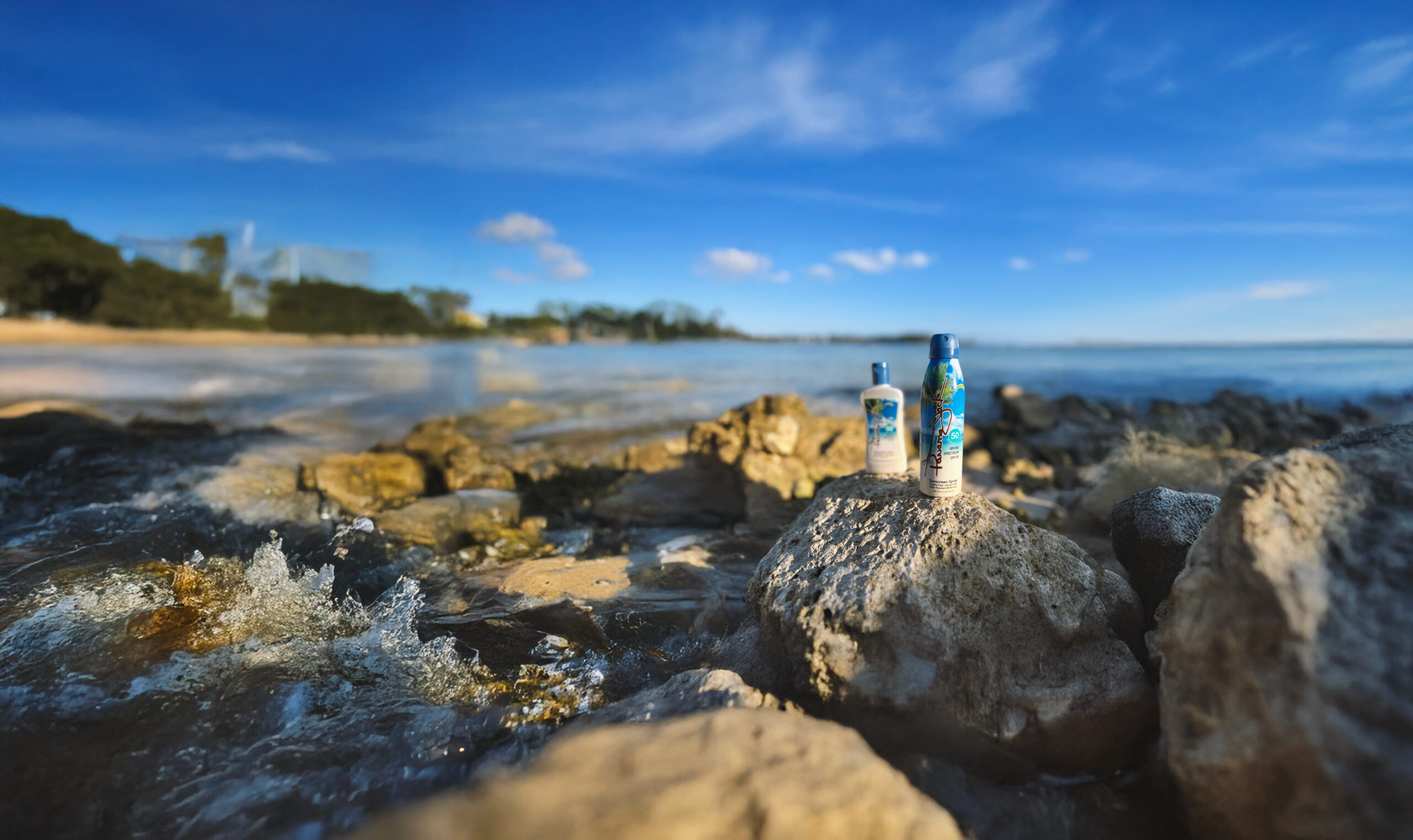
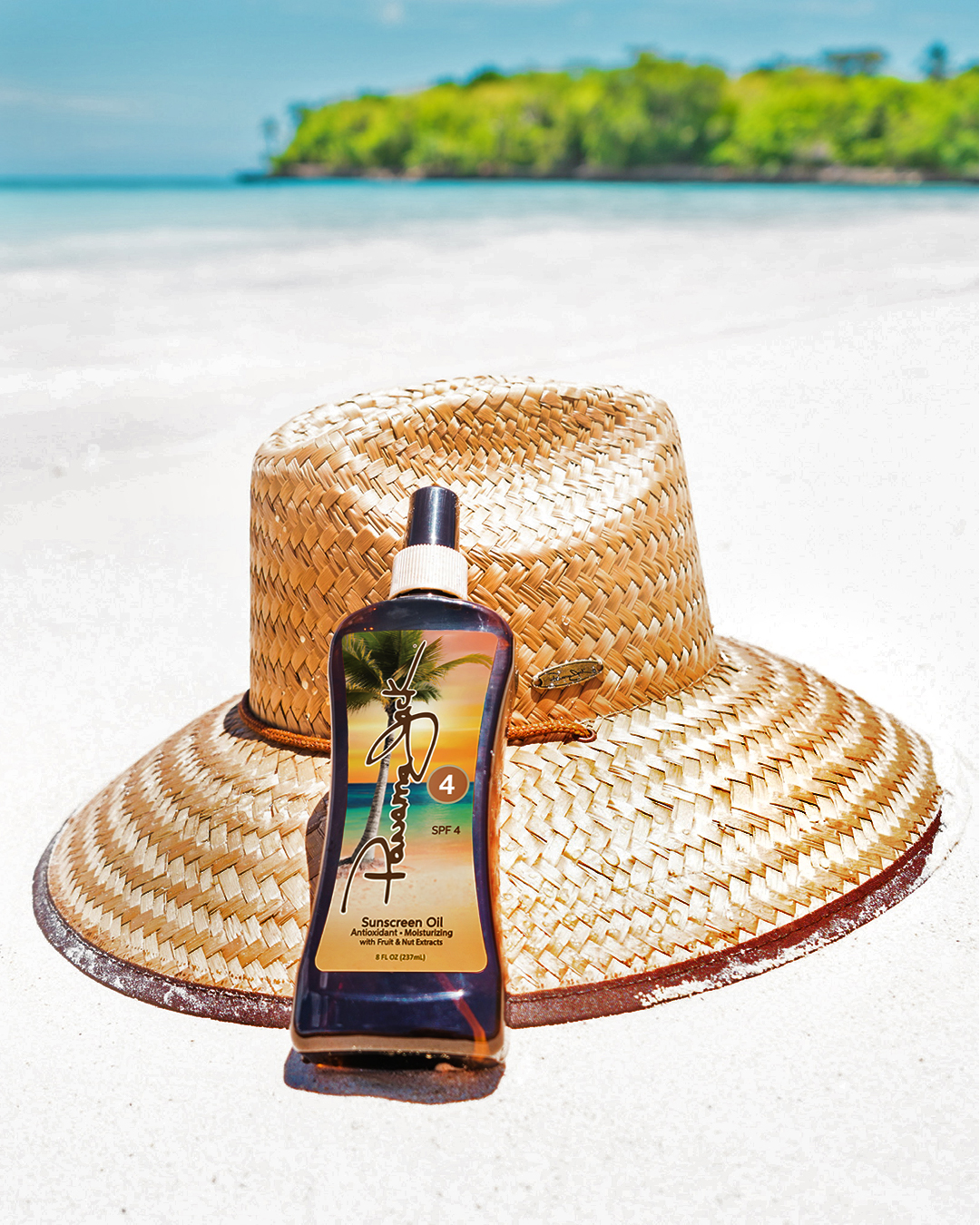
| Panama Jack's SPF 30 Continuous Spray gives you broad-spectrum protection in a quick-dry formula built for beach conditions. The continuous spray nozzle delivers more consistent coverage than standard aerosol triggers.
See Panama Jack Spray on Amazon → |
How to Apply Aerosol Sunscreen Correctly
Most people spray and walk away. Here's what you should actually do:
- Hold the can 4–6 inches from your skin — not a foot away. Closer coverage means less propellant waste and more sunscreen on skin.
- Spray each area for at least 3–4 seconds. A quick pass leaves gaps in coverage you can't see.
- Rub it in. This is the step almost everyone skips. Rubbing the mist into your skin ensures even distribution and closes any missed spots. The FDA recommends rubbing in spray sunscreens.
- Never spray into the wind. Face the wind so the spray lands on you, not behind you.
- For your face: spray into your palm, then apply manually. Never spray directly toward the face.
- Reapply every two hours and immediately after swimming or sweating, regardless of how waterproof the label claims to be.
Aerosol vs Lotion: Which Provides Better Sun Protection?
If applied correctly, aerosol and lotion sunscreens can deliver comparable protection. The key phrase is 'applied correctly.' In real-world use, lotion wins consistently — because rubbing it in is intuitive and the volume applied is easier to judge.
Aerosol sunscreen has a legitimate role in your sun care routine, particularly for:
- Hard-to-reach areas like your back, when you're alone
- Reapplication over light clothing or dry skin (where lotion may feel heavy)
- Quick coverage for active days where you need speed
For initial morning application — especially on the face — lotion or a stick formula is a safer, more reliable choice.
| Important: The SPF on the Label Is a Lab Result
When an SPF 50 spray is tested in a lab, the technician applies 2mg of sunscreen per square centimeter of skin in controlled conditions. In real life, most people apply roughly 25–50% of that amount. This is why dermatologists say the effective SPF most people actually get from their sunscreen is significantly lower than the label suggests — with spray formats being especially susceptible to this gap. |
When Aerosol Sunscreen Makes Sense
None of this means you should throw your spray sunscreen away. Here are the scenarios where it genuinely shines:
- Active kids who squirm during lotion application — a quick spray-and-rub is faster and less of a battle
- Scalp protection for thinning hair or bald heads
- Reapplication mid-day when you don't want to deal with a greasy lotion over already-sweaty skin
- Back coverage when alone at the beach
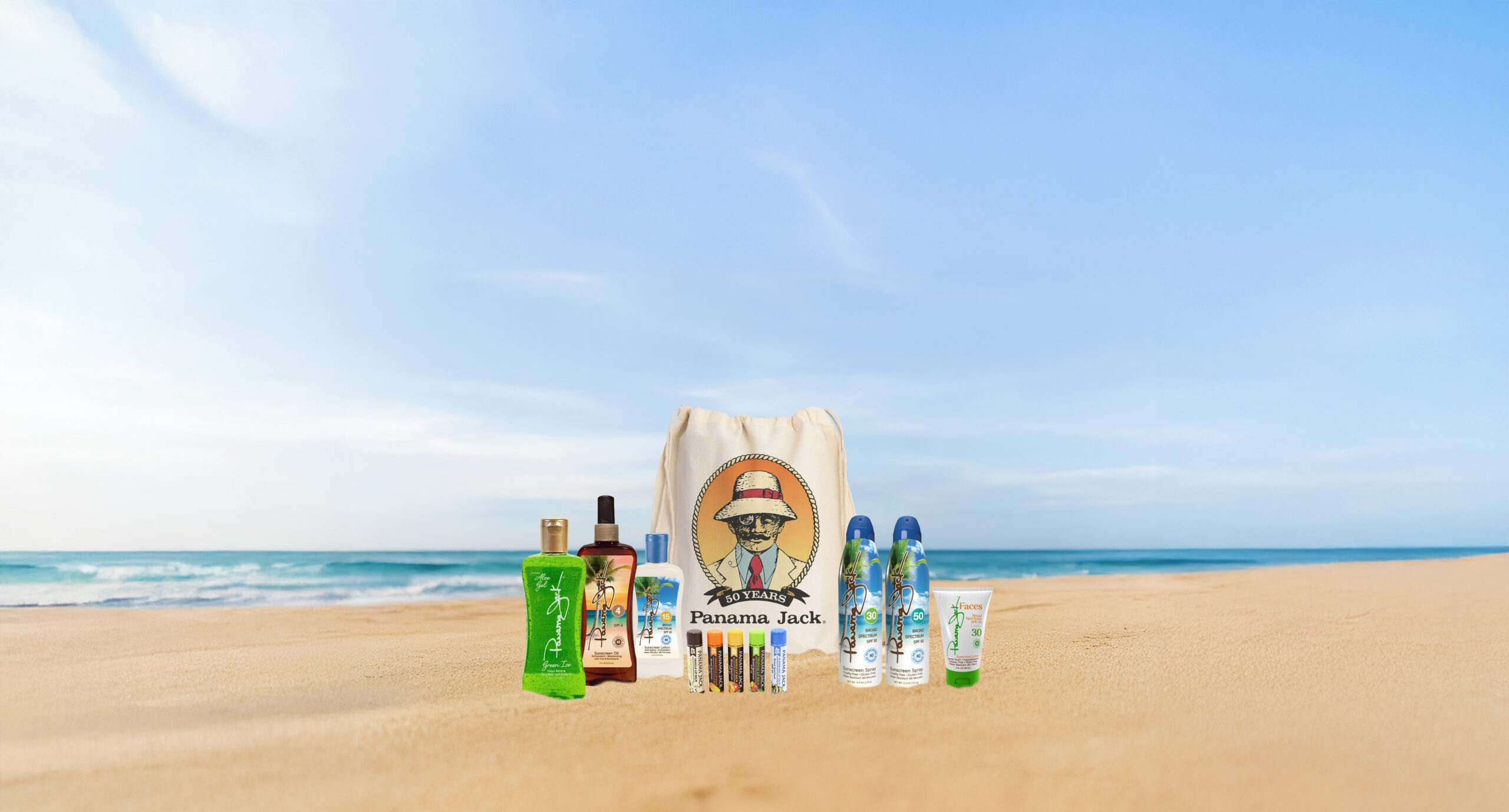
| Panama Jack's full spray sunscreen line includes SPF 30 and SPF 70 options with a continuous valve nozzle. Both are built for beach conditions — check current pricing and reviews on Amazon.
Shop Panama Jack Spray Sunscreen → |
The Bottom Line on Aerosol Sunscreen Safety
Aerosol sunscreen is a perfectly valid sun protection option — when you use it the right way. Spray close to the skin, stay in one spot long enough to build coverage, rub it in, reapply regularly, and never spray it near your face or any flame.
The people who get burned (literally and figuratively) by spray sunscreen are the ones who treat it as a spray-and-forget solution. Treat it as a spray-then-rub tool, and it will do its job.
| Frequently Asked Questions |
| Q: Is aerosol sunscreen safe to inhale?
A: No — aerosol sunscreen should never be inhaled. The fine mist contains chemical UV filters and propellants that are not designed to be breathed in. Always spray away from your face, hold your breath when spraying near the head area, and avoid using spray sunscreens in enclosed spaces. |
| Q: Does spray sunscreen need to be rubbed in?
A: Yes. The FDA recommends rubbing in spray sunscreens to ensure even coverage. The mist alone can leave significant gaps in protection, especially in areas the spray doesn't reach evenly. |
| Q: Can aerosol sunscreen catch fire?
A: The spray cloud from an aerosol sunscreen is flammable due to the propellant gases. Wait at least 30 seconds after application and ensure the product has dried before going near open flames, grills, or lit candles. |
| Q: Is spray sunscreen effective for kids?
A: Spray sunscreen can be used on kids, but it requires extra caution — never spray toward the face, hold the nozzle close to the skin for better coverage, and always rub it in afterward. A lotion or mineral formula is generally the safer first choice for children. |
| Q: How much spray sunscreen do you actually need?
A: You need enough to cover the entire exposed area with a visible film. Most dermatologists recommend a 'shot glass' worth of sunscreen for the full body — an amount that takes considerably longer to spray than most people think. |
| Conclusion
Aerosol sunscreen can be a great tool in your sun protection arsenal — as long as you respect its limitations. Spray close, rub in, reapply often, and keep it away from your face and any flames. Panama Jack's spray formulas are built for real beach conditions — shop the full range on Amazon and find the right SPF level for your day. |
📚 Related Reading
|